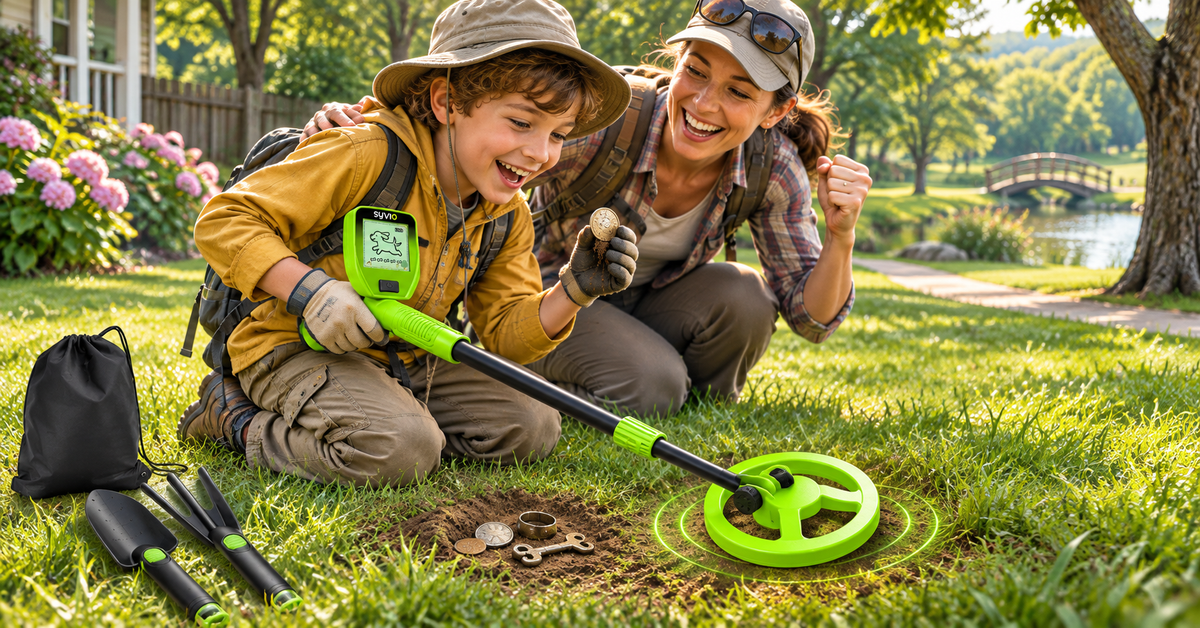


Have you ever wondered what might be hiding beneath the grass in your backyard?
An old coin, a forgotten metal tool, or a small piece of buried metal could be waiting to be discovered. What looks like an ordinary backyard may hold plenty of opportunities for exploration.
Backyard metal detecting is a fun outdoor activity that combines curiosity, discovery, and a little adventure. Whether you're exploring your lawn, searching around garden areas, or investigating interesting spots near your property, a metal detector can help you uncover objects that are hidden beneath the surface.
You don't need to travel to a remote location to start treasure hunting. Sometimes, the next exciting discovery is right outside your door.
In this guide, we'll explain how to get started with backyard metal detecting, where to search, what you might find, and how to make your outdoor exploration more rewarding.
1. Why Is Your Backyard a Great Place for Metal Detecting?

Your backyard is more than just a place to relax or grow plants. It can also be an interesting area to explore with a metal detector.
Over the years, everyday activities, landscaping projects, and outdoor gatherings may leave small metal objects in the ground.
Here are some reasons why your backyard is a good starting point.
Discover Forgotten Objects

Gardens and lawns often experience years of everyday use.
Small objects can get misplaced during outdoor activities, home improvement projects, or routine yard maintenance.
Depending on the history of your property, you may encounter:
-
Old coins
-
Metal buttons
-
Lost jewelry
-
Small tools and hardware
-
Aluminum fragments
-
Other buried metal objects
Not every signal will lead to something valuable, but each discovery adds excitement to the experience.
Explore Without Traveling Far

One of the biggest advantages of backyard metal detecting is convenience.
You can start exploring without planning a long trip or packing extensive outdoor equipment.
Your lawn, garden, and other permitted areas around your property can provide convenient places to practice and learn how metal detecting works.
Turn Outdoor Time into an Adventure

Instead of simply walking around your yard, you can turn outdoor time into a discovery activity.
Each signal gives you a reason to investigate further. You can explore different areas, compare detection responses, and gradually learn which locations are more interesting.
It's a simple way to make outdoor exploration more engaging.
2. Where Should You Look for Hidden Metal Objects in Your Backyard?

Choosing the right search location is an important part of metal detecting.
Rather than scanning your entire yard randomly, start with areas where people are more likely to have dropped or misplaced metal objects.
Around Garden Beds
Garden beds are interesting places to explore because they are frequently used for planting, digging, and landscaping.
Small tools, metal plant markers, and other gardening-related objects may occasionally be found in these areas.
Search carefully around the edges of garden beds, avoiding plant roots and existing irrigation systems.
Near Patios and Outdoor Seating Areas
Patios, outdoor dining spaces, and seating areas are common gathering places.
Coins, small metal accessories, and other dropped objects may be found around these locations.
Pay particular attention to areas where people frequently sit, walk, or spend time outdoors.
Along Lawn Edges and Walkways
Grass edges, garden paths, and walkways are useful places to investigate.
These areas experience regular foot traffic, which increases the chances of small items being dropped or misplaced.
Move slowly and keep your search pattern organized.
Around Older Landscaping Areas
If your property has undergone previous landscaping or renovation work, some small metal objects may have been left behind.
Older garden sections, former planting areas, and previously used outdoor spaces can be interesting locations to investigate.
However, always check for underground utilities, irrigation pipes, and cables before digging.
3. What Can You Find with a Metal Detector?

One of the most exciting aspects of metal detecting is not knowing exactly what you'll discover.
A metal detector can respond to different types of metal, depending on the detector's capabilities, settings, target size, depth, and ground conditions.
Here are some common metal categories you may encounter.
Coins and Small Valuables
Coins are among the most recognizable metal detecting targets.
Depending on their composition, coins may contain copper, nickel, silver, or other metals.
Lost coins in lawns and garden areas can make an ordinary afternoon of exploration more interesting.
Iron and Steel Objects
Iron-based objects are common in outdoor environments.
You might encounter:
-
Nails
-
Screws
-
Small metal brackets
-
Old hardware
-
Fragments of garden equipment
Some iron objects may produce unwanted signals, but they can also provide clues about the history of an area.
Copper and Brass Items
Copper and brass are used in many everyday products.
Small fittings, decorative objects, hardware, and older household items may contain these metals.
Their detection responses can vary depending on the object's size and composition.
Aluminum Objects
Aluminum is widely used in beverage cans, packaging, and household products.
Small aluminum objects may be detected during backyard searches, although they can sometimes produce signals similar to other non-ferrous targets.
Gold and Silver Items
Finding gold or silver jewelry is an exciting possibility for metal detecting enthusiasts.
Rings, pendants, and other small personal accessories can occasionally be lost outdoors.
However, detection performance depends on the metal detector's sensitivity, target size, soil conditions, and other factors. Not every metal detector can reliably identify a specific metal type from its signal alone.
4. How to Start Metal Detecting in Your Backyard
If you're new to metal detecting, the best approach is to start with a simple and organized search routine.
Step 1: Choose a Search Area
Start with a small section of your backyard.
A garden bed, lawn edge, or area near an outdoor seating space is a good place to practice.
Make sure you have permission to search and avoid areas containing underground utility lines.
Step 2: Set Up Your Metal Detector
Before starting, check the detector's battery level and connect the search coil securely.
Adjust the sensitivity according to the manufacturer's instructions and the conditions of your yard.
If your detector includes different detection or discrimination settings, familiarize yourself with their functions before searching.
Step 3: Sweep the Search Coil Slowly
Move the search coil from side to side while keeping it close to the ground.
Try to maintain a consistent height and overlap each sweep slightly.
Avoid moving too quickly, as slow and controlled movements make it easier to investigate detection signals.
Step 4: Listen and Check the Display
When the detector responds to a target, pay attention to the audio signal and display information.
Depending on the detector, the screen may provide useful information about target response, sensitivity, or estimated depth.
Take your time before deciding where to investigate.
Step 5: Locate and Recover the Target
Once you've identified a promising signal, carefully investigate the location.
Use an appropriate digging tool and avoid damaging underground cables, irrigation lines, roots, or landscaping.
After recovering an object, refill the hole and leave the area clean.
5. How SYVIO Metal Detector Makes Backyard Exploration Easier
Having the right equipment can make backyard exploration more convenient, especially for beginners who are still learning how to interpret detection signals.
The SYVIO Metal Detector is designed to support outdoor metal detecting with practical controls and useful accessories.
Adjustable Sensitivity for Different Search Conditions
Different backyard environments can produce different detection responses.
Sensitivity controls allow users to adjust how the detector responds to potential targets.
Learning how to adjust sensitivity can help you balance detection performance and unwanted signals.
Target Information on the LCD Display
The LCD display provides visual feedback during metal detecting.
Users can monitor the available detection information and make better-informed decisions when investigating a signal.
A clear display is particularly useful when you're learning how to distinguish different detection responses.
Disc Mode for More Focused Searching
Metal detecting often involves encountering unwanted metal objects.
The discrimination (DISC) function can help users filter certain target responses, depending on the detector's settings and capabilities.
This makes it easier to focus on selected target categories during backyard exploration.
Always remember that discrimination is not perfect, and some different metals can produce similar signals.
Headphone Support for Better Listening
Outdoor environments can be noisy.
Using headphones allows you to hear detection signals more clearly without relying entirely on the built-in audio.
This is especially useful when exploring around lawns, gardens, or other areas with background noise.
Convenient Accessories for Outdoor Adventures
The SYVIO Metal Detector comes with practical accessories to support your exploration:
-
Metal detector with search coil
-
Headphones
-
Carrying bag
-
Digging shovel
-
Batteries
Together, these accessories help you prepare for outdoor metal detecting without needing to purchase every basic item separately.
6. Tips for Better Backyard Metal Detecting Results
A successful metal detecting session is not just about having the right equipment. Your search technique also matters.
Here are some practical tips for beginners.
Search Slowly and Systematically
Divide your backyard into smaller sections and scan each section in an organized pattern.
This helps reduce missed areas and makes it easier to remember where you've already searched.
Keep the Search Coil at a Consistent Height
Maintain a steady distance between the search coil and the ground.
Avoid swinging the detector too high or allowing the coil to strike the ground repeatedly.
Adjust Sensitivity When Necessary
If you experience frequent unstable signals, try adjusting sensitivity according to the user manual.
Nearby metal objects, electrical interference, and mineralized soil can all affect detection responses.
Investigate Repeated Signals
A signal that can be reproduced from different sweep directions may deserve closer attention.
However, signal consistency alone does not guarantee that an object is valuable or that it is a particular type of metal.
Keep a Record of Interesting Locations
Take notes about where you find objects and what types of signals they produce.
Over time, these observations can help you develop a better understanding of your backyard's detection conditions.
7. Backyard Metal Detecting Safety: What Beginners Should Know
Before digging, take a few important precautions.
-
Check for underground utility lines before digging. In the United States, contact 811 before digging where applicable.
-
Obtain permission before searching on property you do not own.
-
Avoid digging near electrical cables, water pipes, gas lines, and irrigation systems.
-
Wear appropriate footwear and gloves when recovering objects.
-
Do not touch suspicious objects, ammunition, or potentially hazardous buried materials. Contact the appropriate local authorities.
-
Refill holes and restore the ground after searching.
-
Follow local rules and restrictions when detecting outside private property.
Responsible metal detecting helps protect your property, the environment, and everyone enjoying the outdoors.
8. Is a Metal Detector Worth Having for Backyard Exploration?
If you enjoy outdoor activities, exploring your surroundings, and discovering interesting objects, a metal detector can be a rewarding addition to your outdoor equipment.
It is particularly useful for:
-
Homeowners who want to explore their gardens and lawns.
-
Outdoor enthusiasts who enjoy treasure hunting.
-
Beginners interested in learning metal detecting.
-
People looking for a new backyard hobby.
-
Metal detecting enthusiasts who want a convenient place to practice.
You don't need to be an experienced treasure hunter to get started.
With a little patience, the right search technique, and a suitable metal detector, your backyard can become an interesting place to explore.
Final Thoughts: Your Next Discovery Could Be in Your Backyard
You never know what might be hiding beneath the ground.
An old coin, a forgotten garden tool, or an interesting metal object could turn an ordinary afternoon into an exciting discovery.
Backyard metal detecting is a simple way to combine outdoor exploration, curiosity, and the thrill of finding something unexpected.
With its LCD display, adjustable sensitivity, DISC function, headphone support, and convenient accessories, the SYVIO Metal Detector helps make outdoor exploration more accessible.
Grab your SYVIO Metal Detector, explore your backyard, and see what you can discover!
Start your next backyard adventure with SYVIO. 》》》 Shop Now